Affiliate Disclosure: As an Amazon Associate, we earn from qualifying purchases. Clicking our links costs you nothing extra and helps us keep reviewing products for free.
Our team reviews ergonomic furniture, desk accessories, and productivity tools so you don't have to. Every recommendation is based on real research: customer reviews, expert opinions, and value for money. Learn more about us →
Affiliate Disclosure: As an Amazon Associate we earn from qualifying purchases at no extra cost to you.
Best Ergonomic Office Chairs in 2026 (Reviewed & Ranked)
Disclosure: As an Amazon Associate, we earn from qualifying purchases. This does not affect the price you pay.
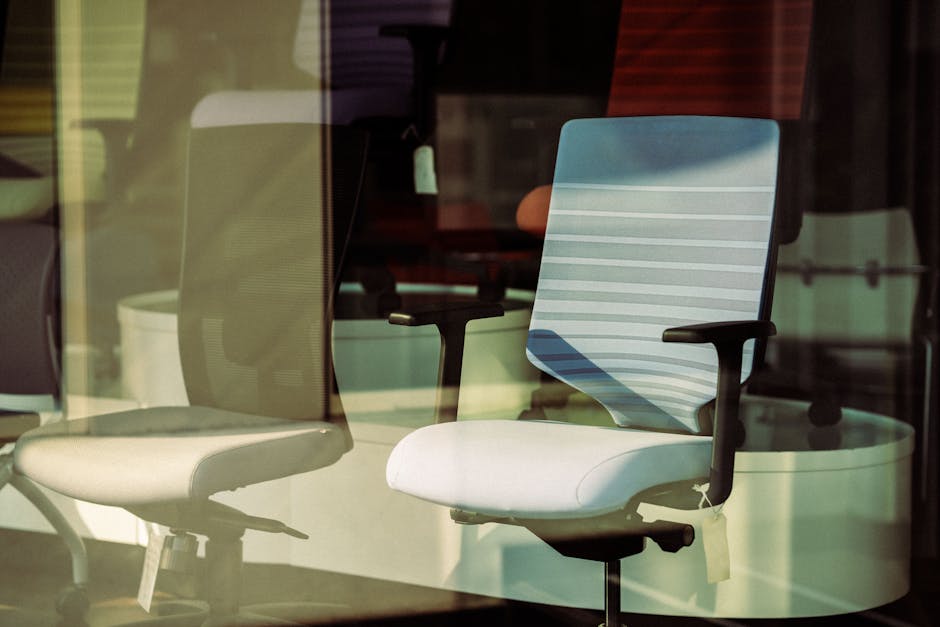
The chairs below are the ones home-office buyers keep coming back to, thanks to strong lumbar support, adjustable arms, and breathable mesh that holds up to eight-hour days. They dominate Amazon's bestseller lists because they hit the sweet spot between real ergonomic engineering and a price a home office budget can actually absorb.
When comparing ergonomic office chairs, prioritize adjustable lumbar support and seat height that allows your feet to rest flat on the floor with knees at a 90-degree angle, as these features directly impact posture and reduce back pain during long work sessions. Test the chair's recline tension and armrest adjustability in person if possible, since personal comfort preferences vary significantly and a chair that works for someone else may not suit your specific body type or desk setup.
The Top 5 Ergonomic Office Chairs
1. Herman Miller Aeron Ergonomic Chair — Best Overall
The Aeron remains the benchmark for ergonomic seating, with its 8Z Pellicle mesh, PostureFit SL lumbar system, and a 12-year warranty that few competitors come close to matching. It is a serious investment, but if you sit for six or more hours a day, it is the chair that pays you back in spine health.
2. Steelcase Series 1 Office Chair — Best Adjustability
Steelcase built the Series 1 with LiveBack technology that flexes with your spine as you shift positions, plus 4D arms that move in nearly every direction you'd need. It's noticeably cheaper than the flagship Leap while keeping most of the adjustment range that makes Steelcase chairs so comfortable.
Branch delivers seven points of adjustment, a firm molded-foam seat, and adjustable lumbar support at roughly a third of the price of a premium mesh chair. Assembly takes about ten minutes and the clean, low-profile design blends into a living room or spare bedroom far better than a typical corporate task chair.
4. SIHOO M57 Ergonomic Office Chair — Best Budget Pick
The SIHOO M57 is the chair most people land on when they want adjustable lumbar support, a headrest, and flip-up arms without spending several hundred dollars. Build quality is better than the price suggests, though the seat cushion is firmer than premium models and may need a break-in period.
5. Duramont Ergonomic Adjustable Office Chair — Best Full-Mesh Comfort
Duramont's all-mesh back and seat keep airflow moving during long sessions, and the adjustable head and lumbar support let taller users dial in a proper fit. Reviewers consistently praise the rocking tilt lock and the sturdy 330 lb weight capacity for the money.
Adjustable lumbar support. A fixed lumbar bump is useless if it doesn't line up with the curve of your lower back. Look for support that moves up, down, and ideally in and out so you can match it to your own spine.
Seat depth and height range. You want two to three fingers of clearance between the seat edge and the back of your knees, with feet flat on the floor. Check the manufacturer's height range against your own measurements before buying — most chairs are built for users between 5'4" and 6'2".
Armrest adjustability. Armrests that only go up and down will leave your shoulders shrugged or your elbows flared. 3D or 4D arms that adjust in height, width, depth, and pivot are worth the upgrade if you type all day.
If you sit for more than four hours a day, yes — premium chairs use higher-density foam or tensioned mesh that doesn't compress over time, and they typically carry 10–12 year warranties versus one to two years on budget models. For occasional use, a well-reviewed $250–$400 chair will serve you fine.
Mesh or foam: which is better for an ergonomic chair?
Mesh breathes better and is the smarter pick in warm rooms or if you tend to run hot, while cushioned foam feels plusher for shorter sessions. The trade-off is that cheap mesh can sag within a year, so if you go mesh, prioritize a brand that tensions the fabric over a rigid frame.
As an Amazon Associate I earn from qualifying purchases.
What ergonomic office chair features prevent lower back pain during long work days?
The best ergonomic chairs feature lumbar support that matches your spine's natural curve, along with adjustable seat height and depth to keep your feet flat on the floor. Look for chairs with a reclining backrest (100-130 degree range) and high-density foam that maintains support without flattening after months of use.
How much should I spend on a quality ergonomic office chair for remote work?
Expect to invest $300-$800 for a chair that will last 5+ years and genuinely prevent injury; budget options under $200 typically lack proper lumbar support and adjustability. Premium brands like Herman Miller and Steelcase range $1,000-$1,500 but offer 12-year warranties and superior customization for people with specific pain issues.
What's the difference between mesh and leather office chairs for ergonomics?
Mesh chairs offer better breathability for all-day sitting and prevent heat buildup, making them ideal for warm climates, while leather provides durability and easier cleaning but can feel hot during extended use. Ergonomically, both work equally well if the underlying support structure has proper lumbar adjustment and seat cushioning—material choice is mainly about comfort preference and maintenance.
Do I need an expensive ergonomic chair or can a standing desk solve back pain?
A quality ergonomic chair is essential because sitting is unavoidable—standing desks alone won't prevent pain if your seated posture is poor. The ideal setup combines an ergonomic chair with a standing desk converter for movement variety, but prioritize the chair first since most remote workers sit 6-8 hours daily.