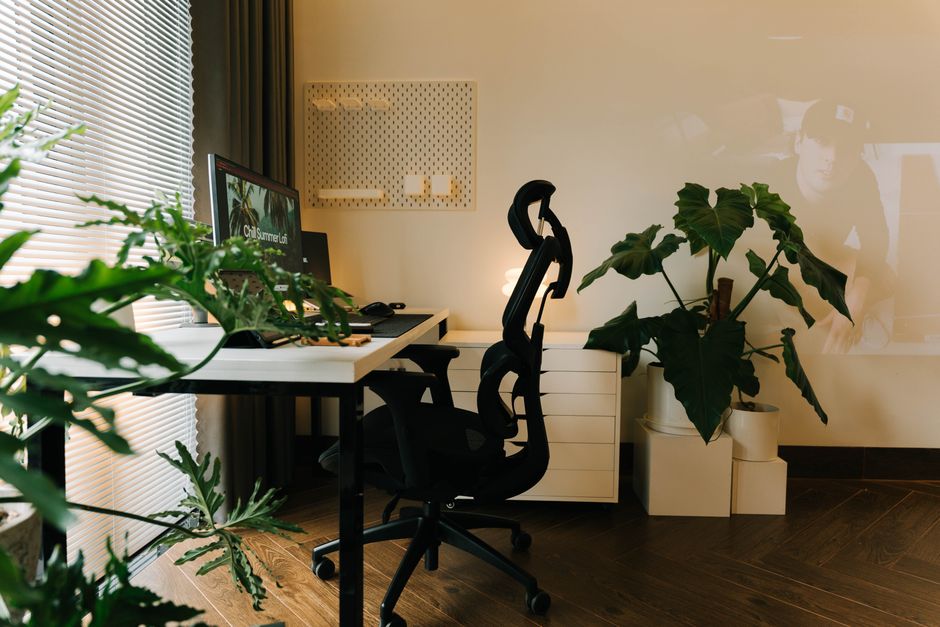
Photo: Alpha En / Pexels
Remote work is the practice of working at or from one's home or another space rather than from an office or workplace.
Home office upgrades often force a tough choice: invest in a single high-quality ergonomic chair, or spread your budget across multiple pieces of furniture? Both approaches have genuine merits, and the right decision depends entirely on your current setup and work habits.
This guide compares the two most common strategies based on real products and brands available in 2026: dedicated ergonomic chair solutions (like COLAMY's focused seating approach) versus comprehensive furniture ecosystems (like Sunaofe's multi-piece offerings). We'll break down actual costs, specific features, and honest trade-offs so you can make a decision based on your workspace and budget.
Before investing in a full furniture setup, test an ergonomic chair alone for two weeks to identify your actual pain points—many people discover that upgrading just the seat and adding a monitor arm solves their issues for a fraction of the cost. This helps you avoid buying unnecessary pieces and ensures any future furniture purchases address real problems rather than perceived ones.
COLAMY focuses exclusively on high-quality office seating with adjustable lumbar support and customizable ergonomic features. Their average order value sits around $200+, making them a more affordable entry point into ergonomic seating. The chairs prioritize seat depth and width adjustability to prevent pressure on the back of knees—a common issue with generic office chairs.
This approach works best if your desk height and monitor positioning are already acceptable, and you primarily suffer from poor seating support or existing back pain.
Best for: Budget-conscious buyers, those with back pain, professionals who already have decent desks but poor seating
Sunaofe takes a holistic approach, offering factory-direct ergonomic furniture across multiple categories: chairs, standing desks, monitors, and accessories. Average order value runs $400+, reflecting a complete workspace redesign rather than a single upgrade. Their model emphasizes breathable materials for warmer months and adjustable standing desk options alongside seated solutions.
This strategy addresses multiple pain points simultaneously: improper monitor height, static sitting, desk height misalignment, and poor seating—all of which contribute to strain-related injuries.
Best for: Those redesigning an entire workspace, remote workers with long hours at the desk, professionals willing to invest in long-term ergonomic infrastructure
Rather than choosing all-or-nothing, many users benefit from investing in a quality ergonomic chair (like COLAMY) while adding targeted accessories from a broader system. This might mean purchasing a COLAMY chair while adding monitor stands, keyboard trays, or standing desk converters separately as budget allows.
This method lets you spread costs over time while addressing the most critical issue first—your seating position—then layer in additional ergonomic improvements incrementally.
Best for: Budget-constrained buyers, those testing ergonomic changes before committing fully, phased office upgrades
If you have acute back pain or limited budget: Start with COLAMY. A $200+ adjustable ergonomic chair with proper lumbar support and seat depth is the fastest, cheapest intervention. However, recognize this is incomplete—you'll likely need to address monitor height and desk positioning later.
If you're redesigning your entire workspace: Sunaofe's systems justify their $400+ cost by solving multiple problems simultaneously. Their standing desk options, monitor positioning guidance, and material quality create a complete ergonomic environment rather than patching one symptom.
For most people: The hybrid approach proves smartest. Purchase a COLAMY chair first (addressing the most time-intensive discomfort), then observe which secondary problems remain. Add Sunaofe accessories or standing desk converters based on what actually bothers you after seating improves. This prevents overspending on features you don't need while ensuring you solve your real problems.
The core insight: ergonomic furniture works as a system, not in isolation. A perfect chair in a poorly positioned workspace still causes strain. Conversely, standing desks and monitor arms don't help if your seating collapses your lumbar spine. Choose based on your actual pain points, not the completeness of the system.
COLAMY's $200+ range represents solid entry-level ergonomic seating with adjustable lumbar support. Higher-end chairs add more adjustment axes, better materials, and longer warranties, but the law of diminishing returns kicks in above $400 for most home office users. If you're also buying a desk system (Sunaofe approach), your chair budget becomes part of a larger equation.
A basic chair has a fixed backrest and seat height; an ergonomic chair allows customization of lumbar support curve, seat depth, seat width, armrest height, and tilt tension. COLAMY specifically emphasizes adjustable lumbar support and seat dimensions because these prevent pressure on nerves and blood vessels during long work sessions. A chair that doesn't fit your body dimensions fails regardless of other features.
Not immediately. If you've just upgraded to a quality ergonomic chair and your pain decreases, sitting 8 hours daily still causes strain. Standing desks (part of Sunaofe's offerings) reduce this by allowing position variation, but they're most valuable after you've solved your seating problem. Add one later if sitting-only pain returns.
Test seat depth (your thighs should be fully supported without pressure on the back of your knees) and seat width (hips should fit comfortably without pinching). COLAMY emphasizes these because they're the most commonly ignored dimensions. If you can't test in person, measure your thigh length and hip width, then compare to the chair's specifications.
If you're experiencing pain now, buy the COLAMY chair immediately—pain relief shouldn't wait for budget accumulation. A good chair takes effect within days. Once seated comfort improves, reassess whether monitor height, desk positioning, or standing options address remaining issues. This phased approach also reveals what you actually need rather than buying a complete system with unused features.
Found this helpful? Share it!
Our team reviews ergonomic furniture, desk accessories, and productivity tools so you don't have to. Every recommendation is based on real research: customer reviews, expert opinions, and value for money. Learn more about us →
This post contains affiliate links. We may earn a commission if you purchase through our links at no extra cost to you.
← Back to Best Home Office Picks Daily| Retailer | Price Range | Shipping | Link |
|---|---|---|---|
| Amazon | Check Current Price | Free (Prime) | View on Amazon → |
| Walmart | Check Site | Free over $35 | Search → |
| Target | Check Site | Free over $35 | Search → |
Prices may vary. Click through to each retailer for current pricing.